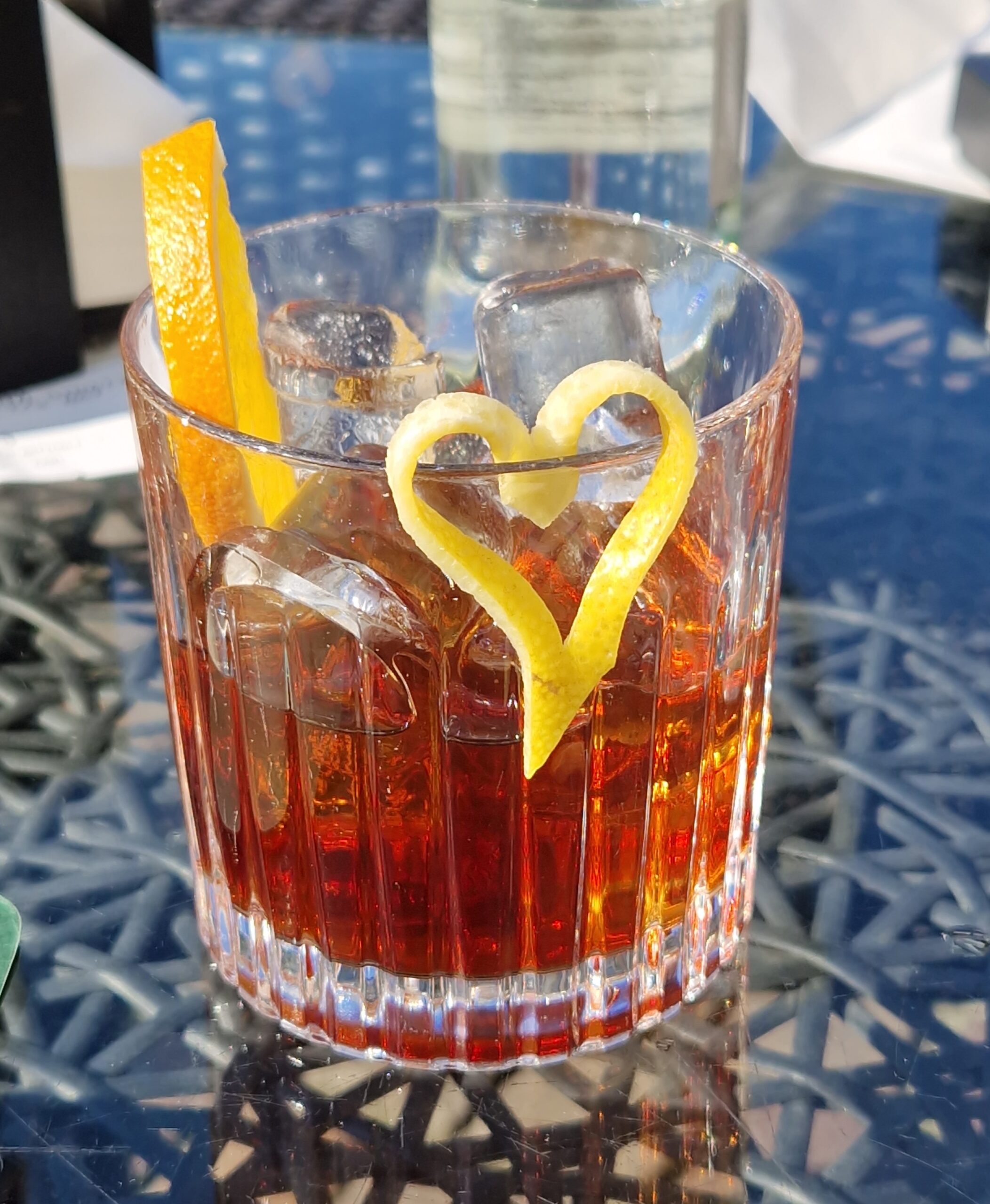
According to Wikipedia, vermouth is defined as “an Italian aromatized, fortified wine, flavored with various botanicals (roots, barks, flowers, seeds, herbs, and spices) and sometimes colored, produced mainly in Italy, France and Spain. The modern versions of the beverage were first produced in the mid- to late 18th century in Turin, Italy”. Fair enough.
I have been a fan of sweet vermouth as an aperitif for as long as I can remember. Even before I saw Bill Murray order this apéro in “Groundhog Day”, I had somewhere along the line picked up an appreciation of the the sweet/bitter combination that vermouth provides, as well as what seemed to me to be the sophistication of this unusual drink. Ordering a sweet vermouth, on the rocks with a twist of orange, somehow seemed to me very inside baseball, something you had to know what you were doing to pull off. Plus I just love the taste. My first experience with vermouth was, of course, Martini Rossi, the world’s most popular brand of vermouth. But during recent travels, I have learned that vermouth culture is alive and well, and there is even a growing artisan vermouth culture in France, Spain and Italy. I have tried a number of different vermouths lately and was pleasantly surprised by the wide variation in flavor profiles and weights. Vermouths can vary from spicy to herbaceous to flavors of citrus, with a entire palette of flavors in between. They are more or less sweet, more or less bitter, some benefit from a splash of soda water, some are perfect on their own.
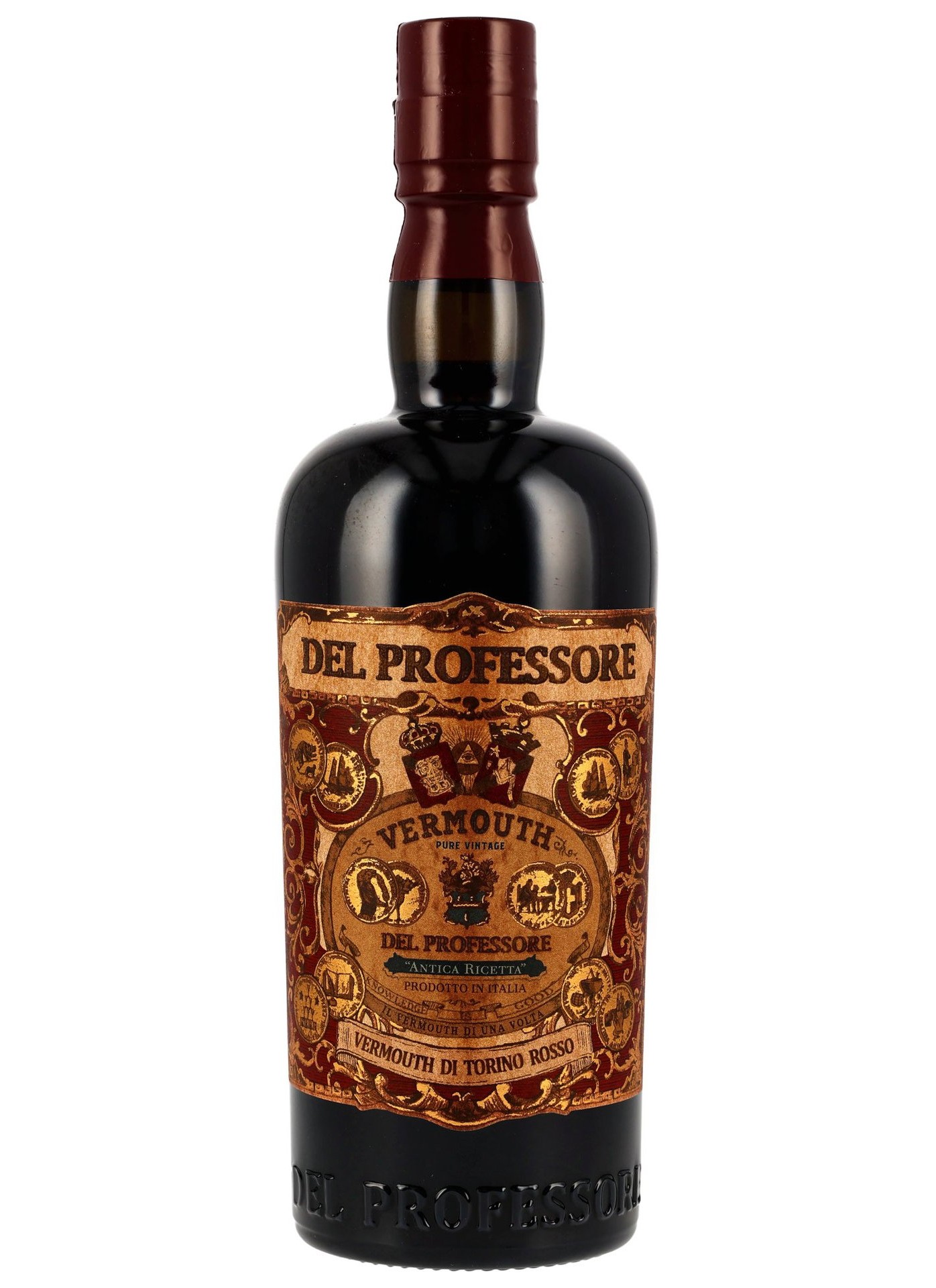
Italy is undoubtedly the point of origin of vermouth, and specifically the northern town of Torino. Torino is the home of above mentioned Martini, as well as smaller producers like Punt e Mes, Carpano Antica Formula and many more. The elegant piazzas of Torino, lined with cafes with there white jacketed servers, seem especially appropriate for vermouth. Of the vermouths I tried in Torino, my favorite was del Professore, at once bursting with the flavor of herbs and bitter with citrus, light enough to drink straight but mouthfilling and round. Cin Cin!
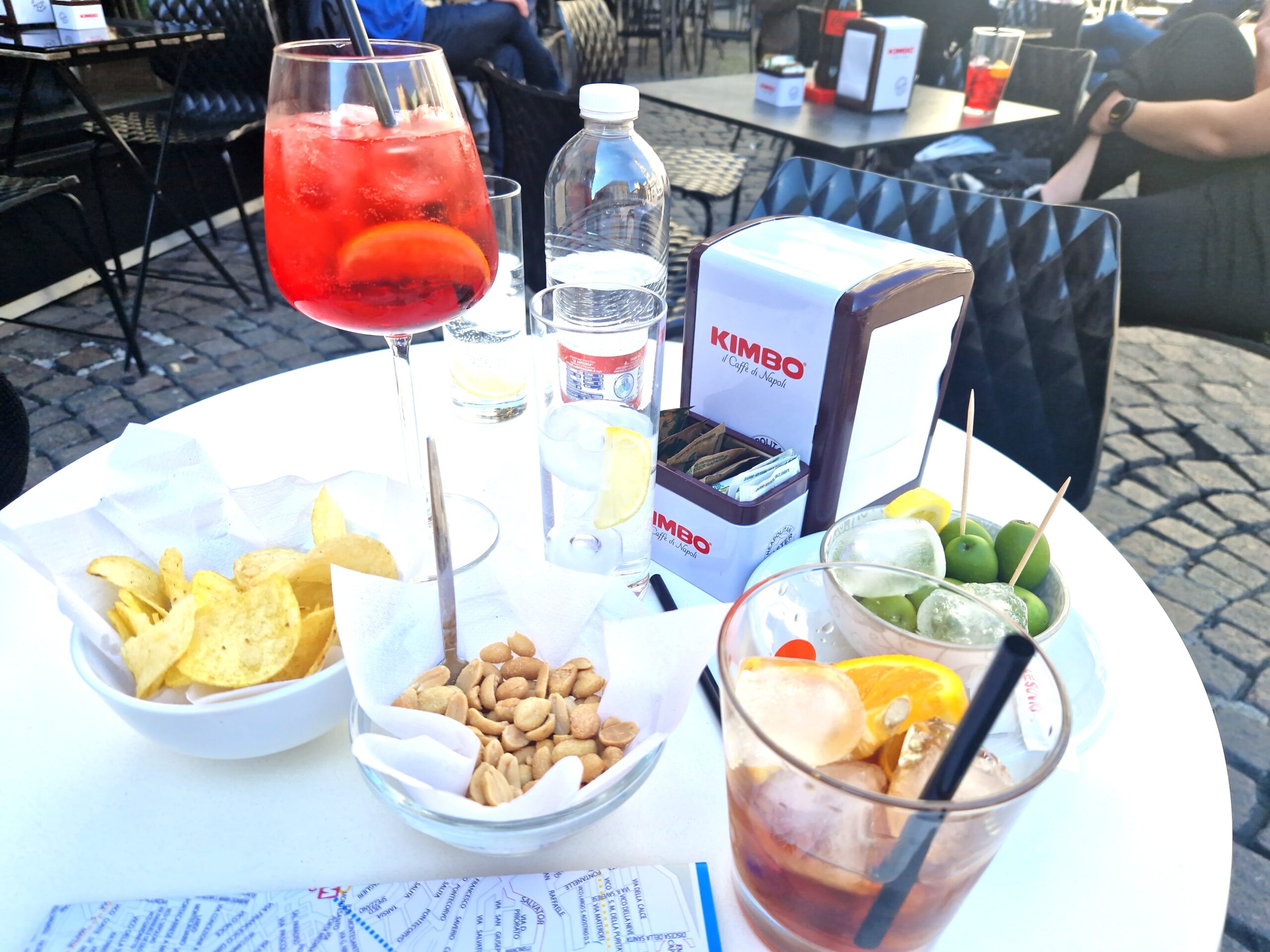
We enjoyed apéros on the Piazza del Gesu Nuovo in Napoli, where the tradition of bars serving snacks with your drinks is still very much alive. The vermouth here is Martini Rosso, which I think is a pretty acceptable starting point for learning about vermouth. Competently made, with notes of herbs and spices, neither too heavy nor too sweet. And yes, that is a Campari Spritz in the other glass, completely unavoidable in Italy and most of western Europe these days.
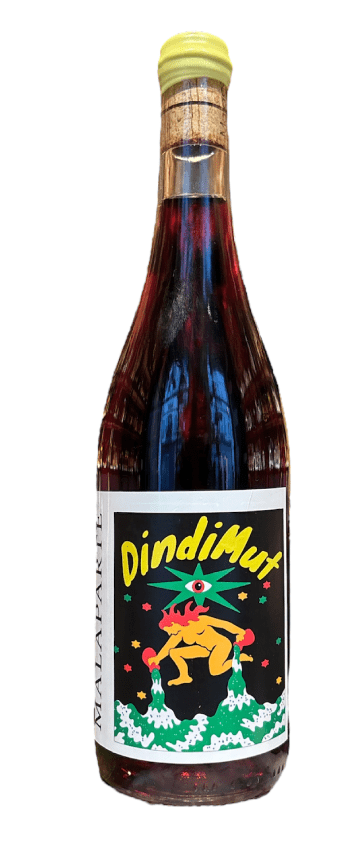
We were in Spain last year, in the area around Segovia, where we discovered a well developed vermouth culture. In addition to the Italian classics, I enjoyed a local artisan vermouth called Dindimut. Much lighter that Italian counterparts with a flavor profile more toward citrus fruits than herbs, with a lively bitterness almost reminiscent of Campari, I found it to be uniquely refreshing in hot weather.
Vermouth culture exists also in France, with some very good French-made vermouths, although, these days, it seems to me that vermouth is used more as a mixer than an actual apéro on its own. Still, if you order a “Martini Rouge” pretty much anywhere in France, the waiter is pretty sure to know what you want. I think that Vermouth Dolin, made in Chambéry, France since 1821, is quite good. I use their dry white vermouth in cooking – my late father-in-law swore by a marinade of white vermouth, black pepper and garlic for grilling a steak, and he grilled a mighty fine steak! Dolin also makes sweet vermouths in red, white and rosé versions that stand on their own as apéros. Note that the Dolin web site says that the origins of 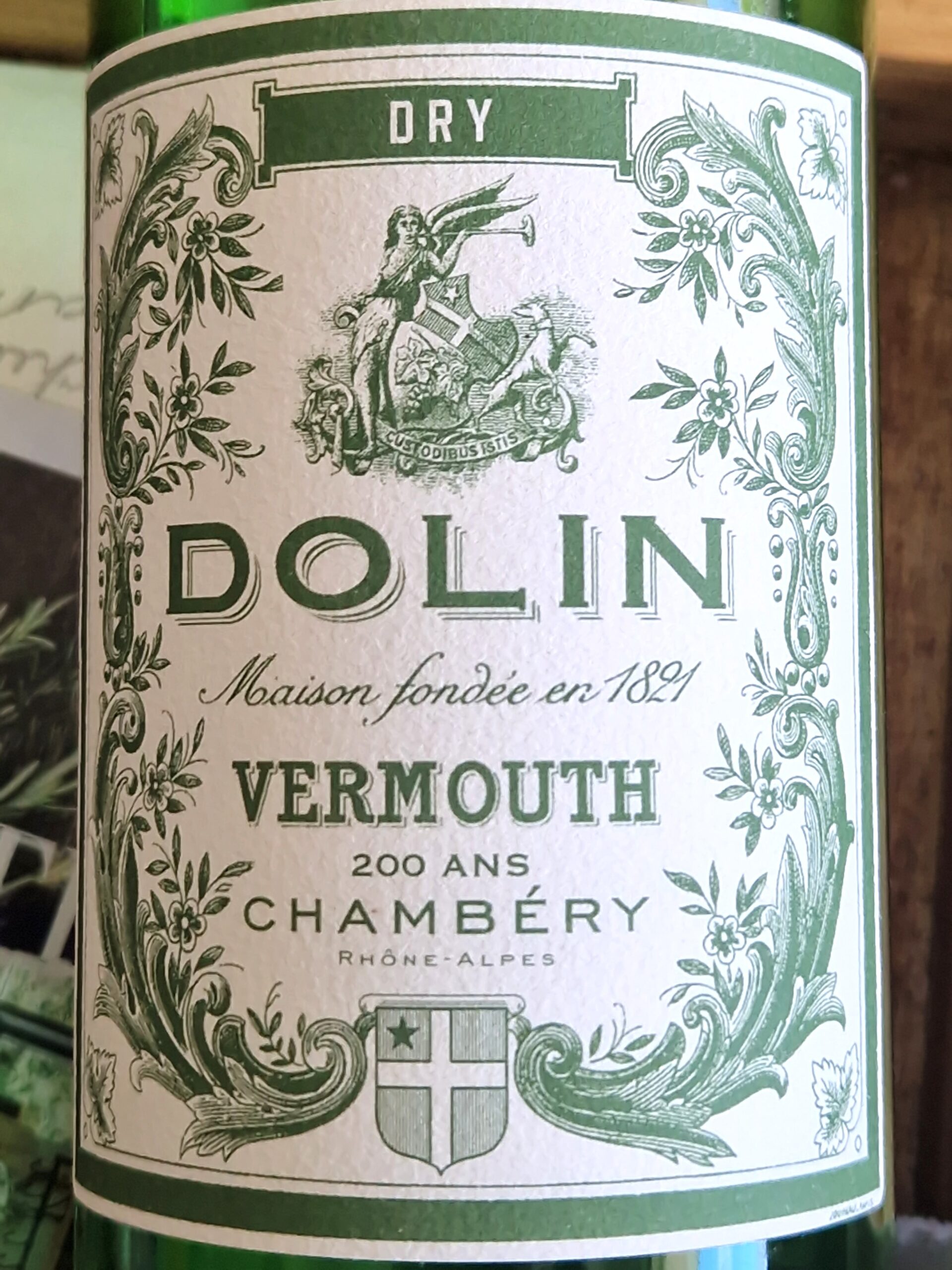
of vermouth lie in the Alps, where the the wild herbs that give it it’s particular character grow. A nice image to contemplate as you savor a glass of vermouth!